





PT Supreme Energy Muara Laboh and
PT Supreme Energy Rajabasa
Contribution to CO2 Emission Reduction (CDM Projects)
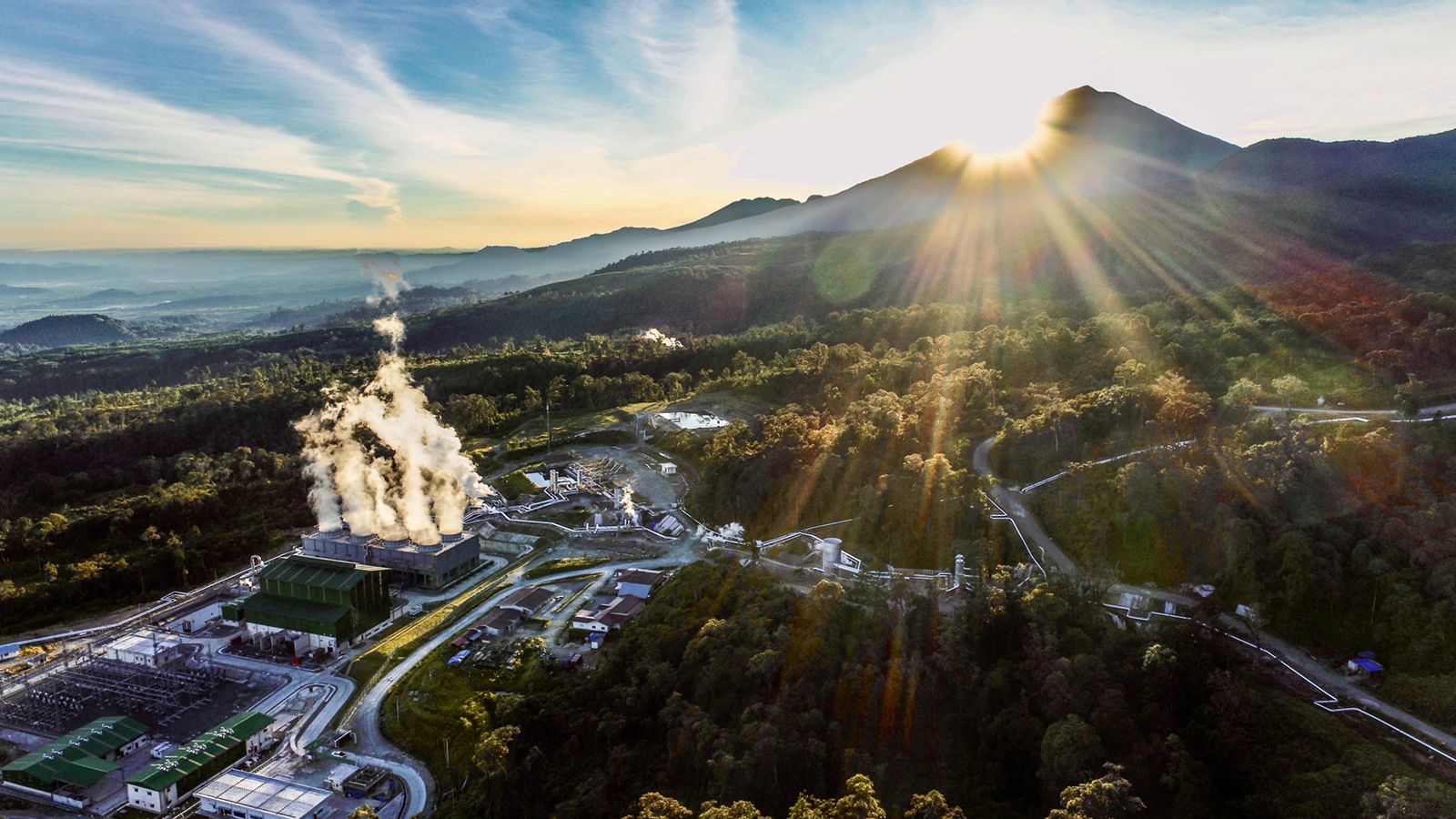
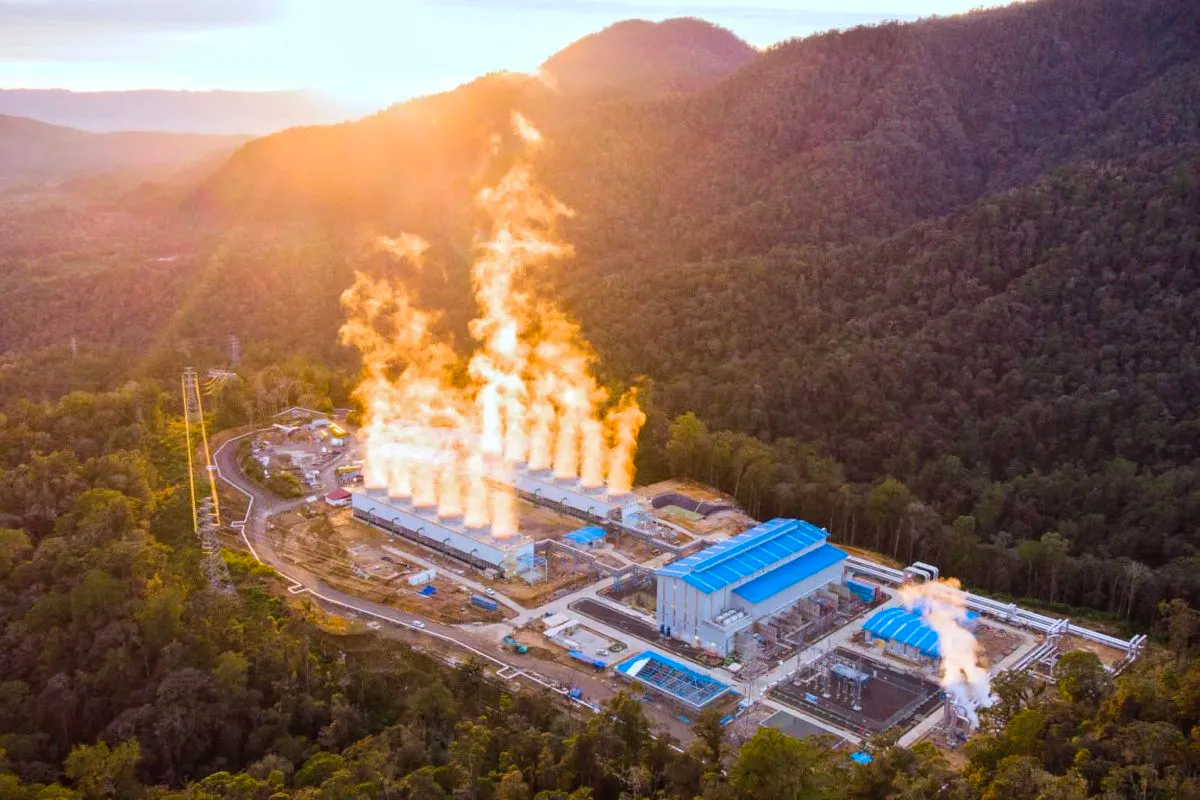
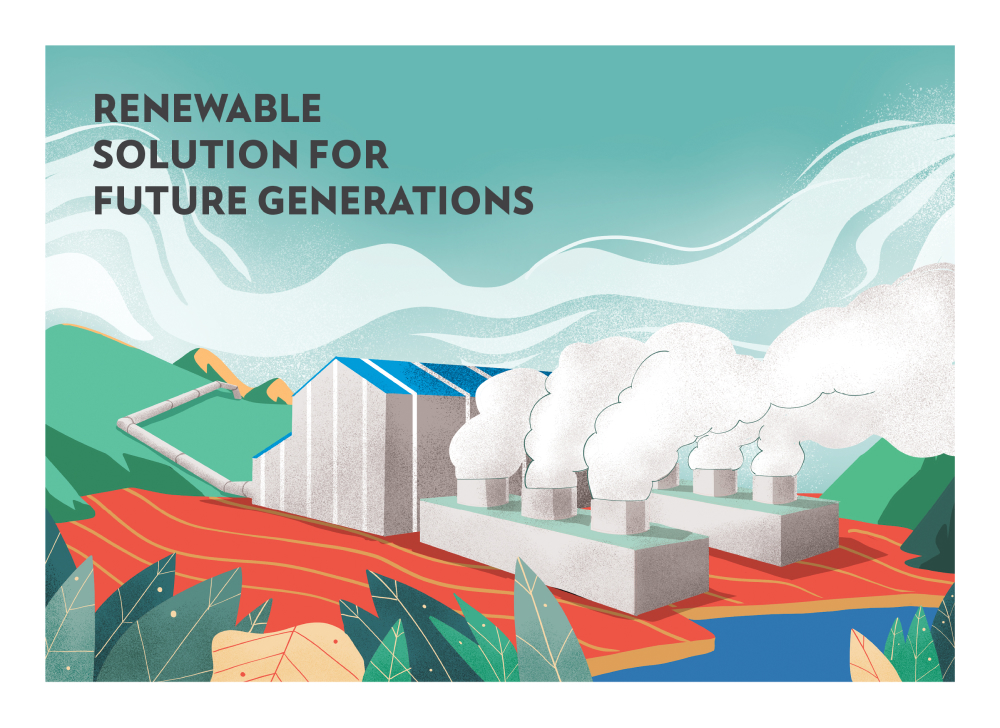
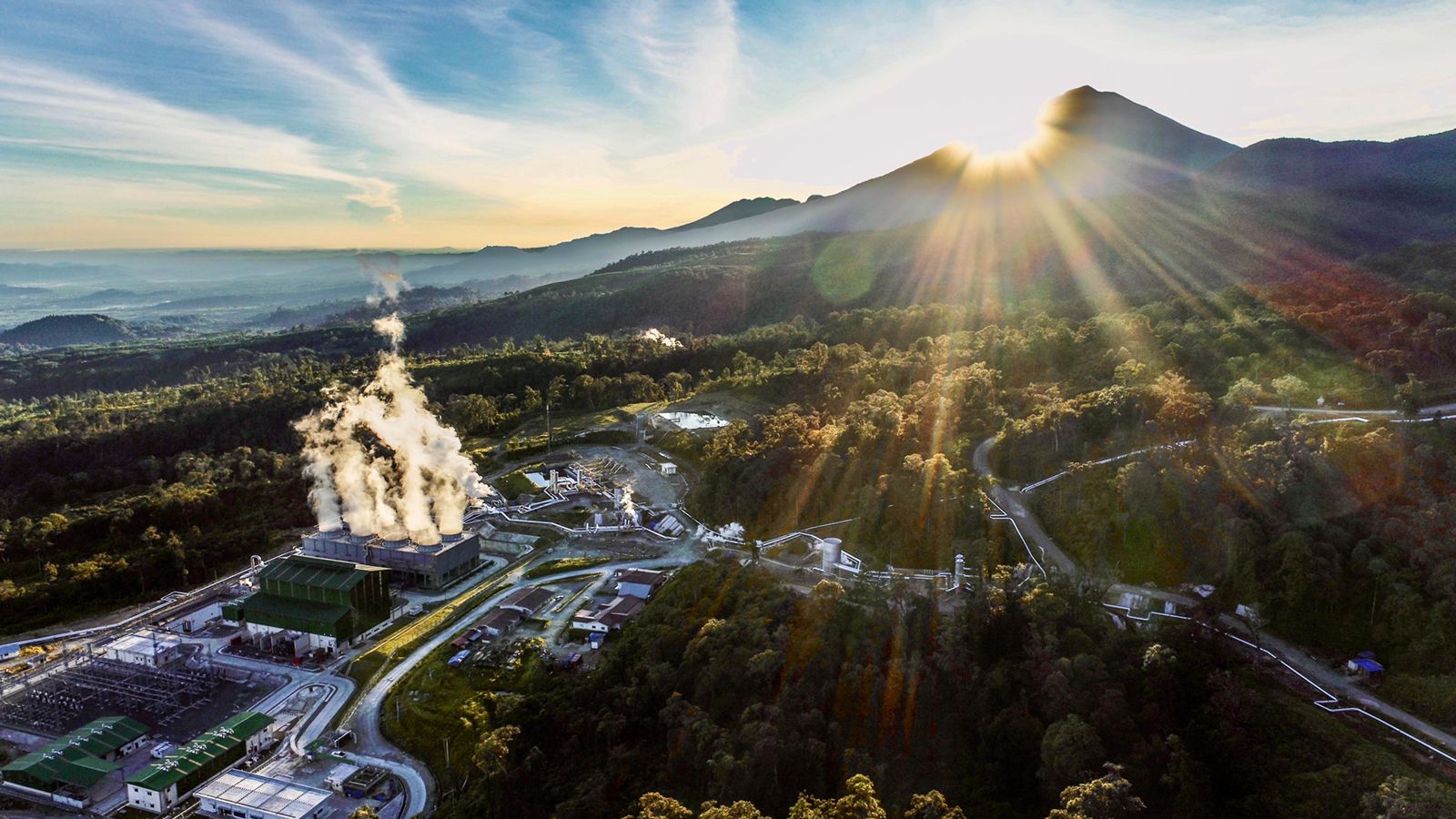
PT Supreme Energy Muara Laboh is in the process of developing a geothermal power plant of 220 MW in Muara Laboh, in Solok Selatan Regency, West Sumatra Province.
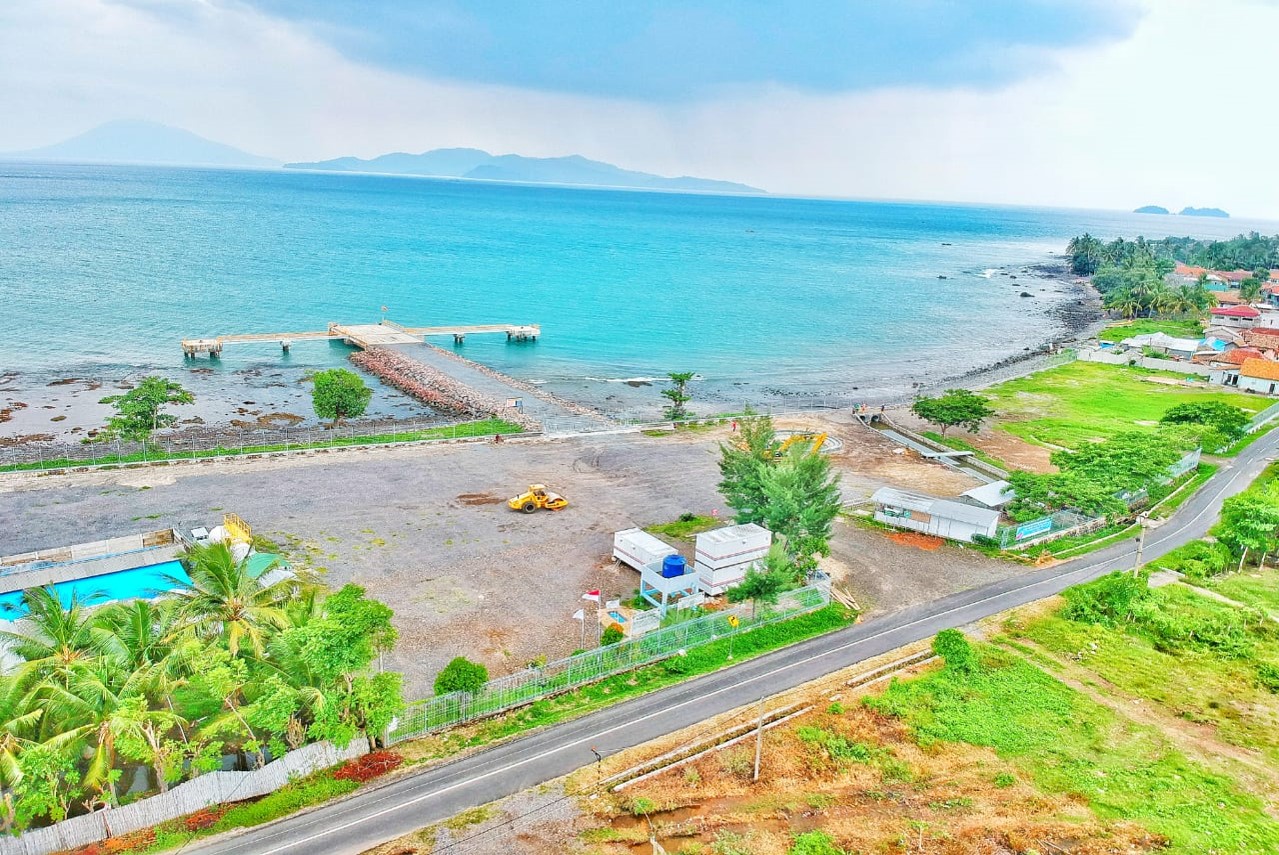
PT Supreme Energy Rajabasa is in the process of developing a geothermal power plant of 220 MW in Rajabasa, in South Lampung Regency, Lampung Province, Sumatra.
These two renewable energy sources will contribute to sustainable long-term electricity supply to the Sumatra grid, avoiding considerable amounts
of greenhouse emissions which would be released by producing the equivalent amount of electricity from fossil fuels.
For the economic viability of the project it is essential to ensure that the project is registered under the Kyoto Protocol Clean Development Mechanism (CDM) framework and benefits
from revenues from selling Carbon Emission Reductions (CERs).
The CDM projects are therefore a key component of the overall development process.
PT Supreme Energy Muara Laboh and PT Supreme Energy Rajabasa have submitted the project notification under the CDM scheme to Indonesian National Council on Climate Change (NCCC)
and United Nations Framework Convention on Climate Change (UNFCCC) in July 2010.
Currently both projects are working with reputed consultants on the development of the Project Design Documents and preparing the subsequent steps of the registration process.
Our target is to register both projects with UNFCCC in 2012.
It is estimated that each of the two geothermal power plants will generate about 1,730,000 MWh of electricity per year.
Both projects are grid connected geothermal power plants which will supply electricity to the Sumatra grid. The current emission factor (“combined margin” in the UNFCCC terminology)
of the Sumatra grid is 0.743 tCO2e/MWh. The project activity is therefore estimated to generate emission reductions equivalent to ~1,170,000 tCO2/year.
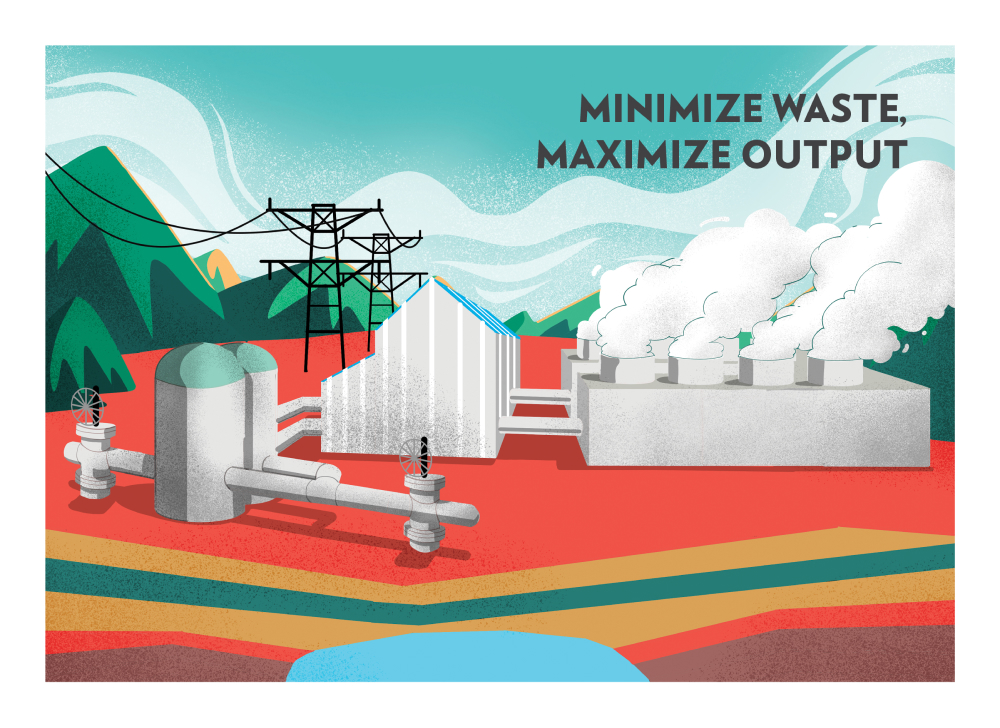
The projects utilize available heat under the surface of earth as a source for power generation and will utilize environmentally safe and sound technology available
in the geothermal power generation scector. In addition, the projects will create employment opportunities during the construction and operation of the power plant.
In this way the projects demonstrate environmental, social, economic and technological sustainability and contribute to sustainable development objectives of Indonesia.